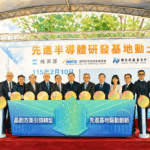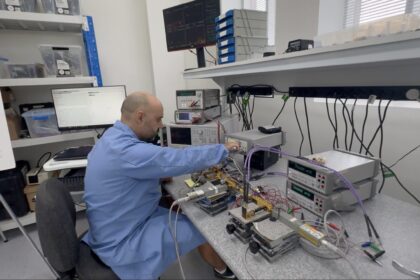
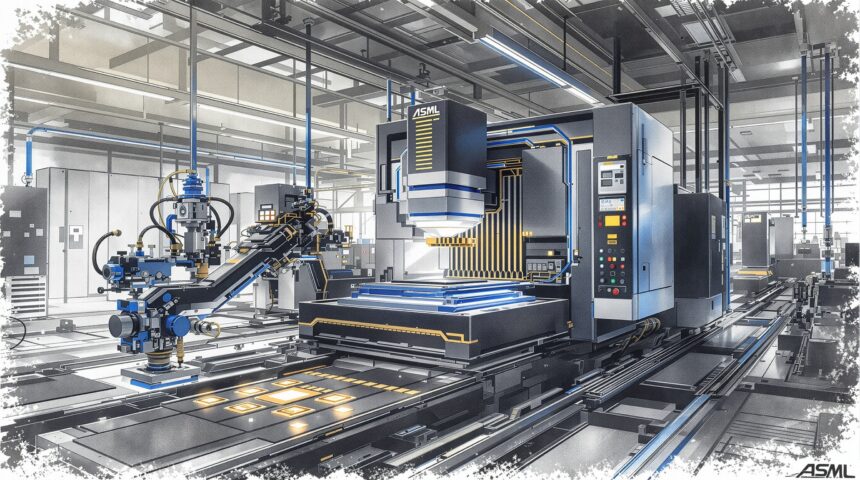
India is finally getting serious about making chips, and it just called in the heavy hitters. Tata Electronics has inked a strategic deal with ASML, the Dutch giant whose lithography machines are the literal backbone of every advanced chip on the planet. The goal: build and ramp up India’s first commercial 300 mm semiconductor Fab in Dholera, Gujarat—a massive $11 billion bet on domestic silicon.
The Lithography Lifeline
This isn’t just a handshake. ASML will deploy its full suite of advanced lithography tools and solutions at the Dholera facility, ensuring the Fab can actually hit production targets from day one. For context, ASML’s machines use extreme ultraviolet (EUV) light to etch impossibly tiny circuits—think drawing features smaller than a virus. Without them, you can’t make the chips that power iPhones, Teslas, or AI data centers. The partnership also covers talent development and supply chain building, because a Fab is useless without the people and parts to run it.
The Tech Under the Hood
Tata’s Fab will target 28nm, 40nm, 55nm, 90nm, and 110nm nodes—not bleeding edge, but workhorse processes for automotive, mobile, and AI chips. To get there, Tata has already partnered with Taiwan’s PSMC, borrowing their manufacturing playbook. The 28nm node, for instance, is still the sweet spot for cost-efficient, power-sipping chips in cars and IoT devices. ASML’s role is to make sure those nodes actually produce usable wafers at scale, with high yield and low defects—the difference between a world-class Fab and an expensive paperweight.
What This Means
India has tried to build a chip ecosystem before, but this feels different. ASML doesn’t sign MoUs with just anyone; they pick partners that can actually execute. CEO Christophe Fouquet called India’s semiconductor sector “compelling,” which in ASML-speak means they see real demand. If Tata pulls this off, Dholera could become the template for how a latecomer nation leapfrogs into advanced manufacturing—by renting the best tools and the best brains, rather than reinventing the wheel. The real test? Whether this Fab ships chips before the next geopolitical disruption rewrites the global supply chain.