There’s just one problem: He’s never built one before.
SpaceX’s newly proposed Terafab project aims to boost global semiconductor production by 50x. The goal? Churn out chips for orbital AI datacenters—because apparently, a terawatt of compute a year isn’t enough unless it’s in space.
The first phase alone is pegged at $55 billion. That’s about 1.25 Twitters, for scale. Intel’s latest leading-edge fab in Arizona cost a comparatively modest $30 billion. Musk’s plan is to build a single facility that can do everything from lithography masks to final chip testing, including memory.
“In a single building, we can create a lithography mask, make the chip, test the chip, make another mask, and have an incredibly fast recursive loop,” he boasted in March. That’s the kind of talk you’d expect from someone who’s actually run a fab. Musk hasn’t.
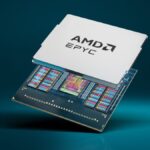
SpaceX knows rockets, satellites, and web-scale apps. xAI knows AI. Twitter knows… well, it’s a husk. But none of these companies have semiconductor manufacturing experience. Musk isn’t sweating it: Intel just signed on as a partner, and the chips will be built on Intel’s yet-unfinished 14A process node.
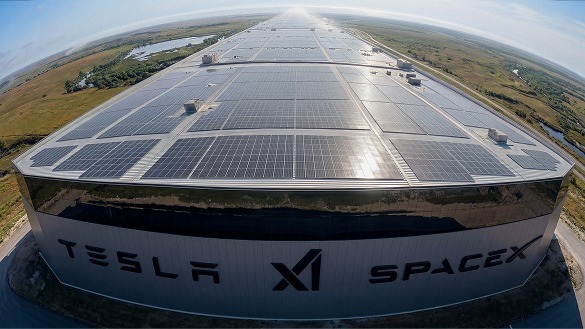
Tesla, also part of Terafab, brings some credibility. It’s designed custom silicon for its cars and the Dojo supercomputer. So the chip design part isn’t pure fantasy. But manufacturing at this scale? That’s a different beast.
The whole thing hinges on Starship making orbital datacenters economically viable. That hasn’t happened yet. Fabs take three to five years to come online, so Musk has time to make his rocket actually reusable. He’s got form on big promises: remember the $2 trillion in government cuts that became $150 billion? Or the Mars rocket by 2024? Or the million robotaxis by 2020?
The Grimes County commissioners will vote on a tax abatement for Terafab on June 3. They might want to ask about the delivery timeline. Because in Musk’s world, the gap between a grand vision and a working fab is measured in Twitters, not transistors.