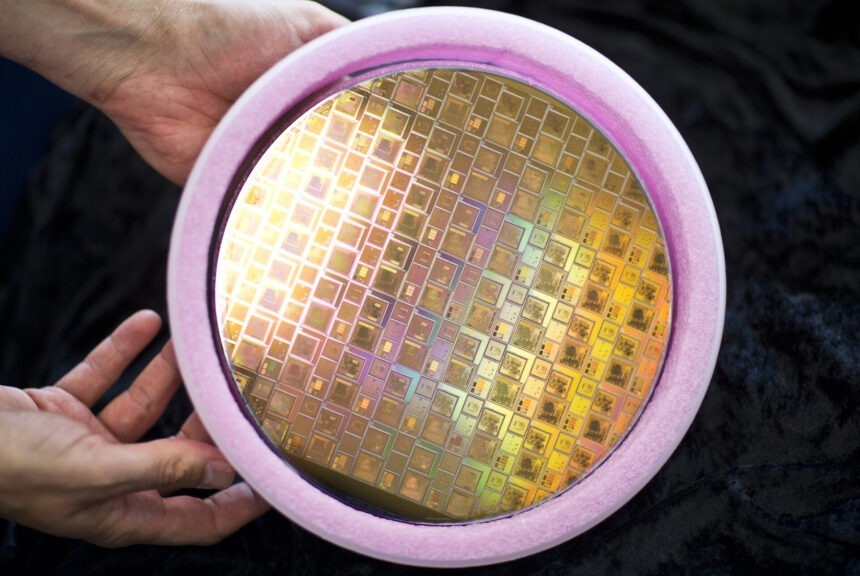
The chip industry just got its first real reading on 2026, and it’s a mixed bag of AI-fueled highs and seasonal hangovers. Global silicon wafer shipments—the literal foundation of every chip—jumped 13.1 percent year-over-year in Q1, hitting 3,275 million square inches. That’s a lot of polished silicon, but the quarter-over-quarter dip of 4.7 percent is a classic first-quarter chill.
The AI Engine Roars
Data center demand is still the star of the show. Advanced logic and memory chips for AI servers are eating up wafers like Pac-Man, and now power management devices are joining the party. Ginji Yada, chairman of SEMI’s Silicon Manufacturers Group, says the recovery is broadening—industrial semiconductors are finally waking up after a long slump. Translation: the AI boom isn’t just for hyperscalers anymore; it’s trickling down to factories and infrastructure.
The Memory Squeeze
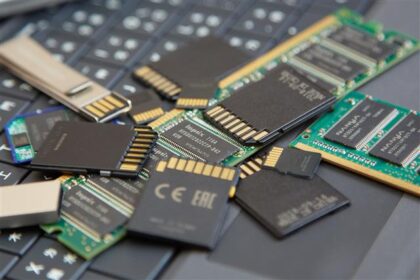
But there’s a twist. Weak smartphone and PC shipments this quarter may actually be a side effect of AI’s success. Chipmakers are diverting production capacity to high-bandwidth memory (HBM) for AI accelerators, leaving less room for the DRAM and NAND that go into your laptop. It’s a supply-chain game of musical chairs, and consumer electronics are losing seats.
What’s Next
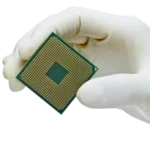
Silicon wafers are the unsung heroes—thin, highly engineered disks up to 300mm wide that get turned into everything from server CPUs to car sensors. The recovery isn’t uniform, and that’s the real story here. AI is pulling the train, but the industrial sector is just now climbing aboard. If that momentum holds, we could see a broader rebound by mid-year. For now, the wafer makers are cautiously optimistic—and they’re not wrong to be.