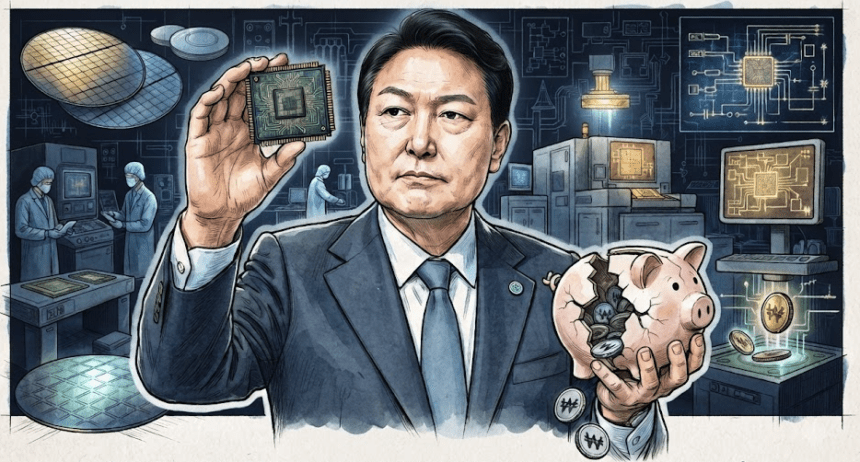
The semiconductor industry’s most acute pricing debate now comes from an unusual source: the chairman of the company profiting most from it. SK Group Chairman Chey Tae-won has described current memory prices as “abnormally high” and warned that if they stay there, the consumer electronics market that buys most of the world’s DRAM and NAND will eventually refuse to pay.
Chey told the Korea Chamber of Commerce and Industry that PC and handset makers cannot keep passing higher memory costs to end users. He also argued that intentionally capping supply to sustain elevated prices is shortsighted. “Limiting production to maintain high prices is not a sustainable strategy,” he said, adding that high margins attract new competitors and invite government intervention.
The warning is notable because Chey also chairs SK Hynix, which just raised $26.5B in a US IPO fueled by HBM demand from Nvidia. The company’s HBM revenue has soared as AI server builders pay premium prices for the high-bandwidth memory stacks that feed their GPU clusters. But those same high prices have pushed system costs to levels that threaten broader market growth.
On the demand side Chey estimated that AI chip consumption will roughly double next year and that the total memory market will expand by half or more over the same stretch. Yet he pointed out that very few manufacturers are adding production capacity at anything close to that pace, which means the gap between order books and fab output is likely to widen further before it ever starts to close.
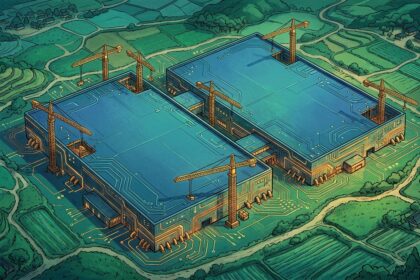
SK Hynix CEO Kwak Noh-jung has warned that 2027 will mark the worst point of the shortage cycle, with memory demand exceeding supply well into the 2030s. Chey agrees and argues that the industry has no choice but to build as much fabrication capacity as it can as quickly as it can, citing Yongin, the Honam region of South Korea, and US sites as the most promising targets for the next wave of investment.
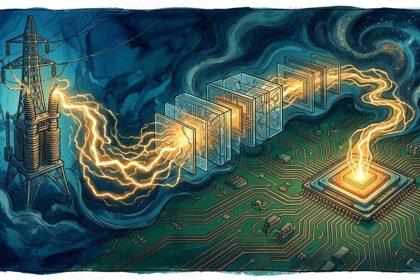
He predicted that even if memory supply does catch up, the bottleneck will just migrate to power infrastructure, cable production, and raw material supply chains.