
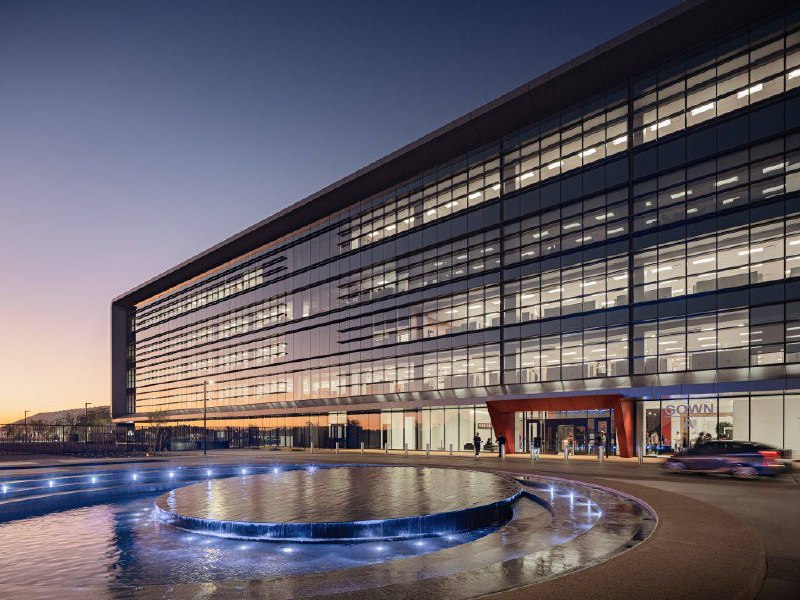
Arizona State University (ASU) and TSMC Arizona have launched an accelerated technician training program to address the critical shortage of skilled semiconductor manufacturing workers. As TSMC ramps production across its three Arizona fabs, the need for qualified equipment technicians has become a bottleneck, with the company planning to fill thousands of roles by year’s end. This program directly targets that gap by compressing traditional training timelines from years to weeks.
**Program Structure and Accessibility**
The ASU Foundations for Equipment Technician Program offers three flexible formats to accommodate diverse participant schedules: a five-week full-time accelerator, a 16-week intensive, and an 18-week Saturday-only track. All formats are provided at no cost to participants, lowering barriers for career changers, recent graduates, and underemployed individuals. The curriculum prioritizes hands-on training in simulated fab environments, leveraging ASU’s cleanroom and lab infrastructure across the Phoenix metro area.
**Industry Alignment and Career Pathways**
Participants who complete the program and meet requirements receive a guaranteed interview with TSMC Arizona, alongside industry-recognized credentials transferable across the broader semiconductor ecosystem. The training focuses specifically on equipment technician roles—positions responsible for maintaining and troubleshooting advanced lithography, etching, and deposition systems that operate continuously. This direct pipeline from training to employment distinguishes the program from credential-only offerings, as noted by ASU program manager Adam Eklund.
**Manufacturing Implications**
TSMC Arizona President Rose Castanares emphasized that technician roles are essential to the precision and reliability required in advanced semiconductor manufacturing. With TSMC’s first three fabs under expansion, the company expects to hire over 100 equipment technicians by the end of this year alone. The partnership reflects a broader industry trend: as U.S. chip fabrication scales, traditional education pipelines cannot keep pace, making accelerated, employer-aligned programs critical for workforce development.
**Forward-Looking Conclusion**
This initiative represents a pragmatic response to a structural workforce challenge in semiconductor manufacturing. By combining rapid training with guaranteed employer interviews, ASU and TSMC are creating a replicable model that could influence how the industry scales technician talent across other U.S. fabs. If successful, it may set a precedent for public-private partnerships that prioritize speed and job readiness over conventional academic timelines, directly supporting the resilience of America’s semiconductor supply chain.