French chipmaker Aledia, fresh off a splash at CES 2025, is pulling back the curtain on its micro-LED technology, claiming it can finally deliver the kind of bright, power-sipping displays that AR needs to go mainstream. After 12 years of R&D, $600 million in investment, and a portfolio of nearly 300 patents, the company says it’s solved the hardware trifecta: power consumption, bulkiness, and sky-high manufacturing costs.
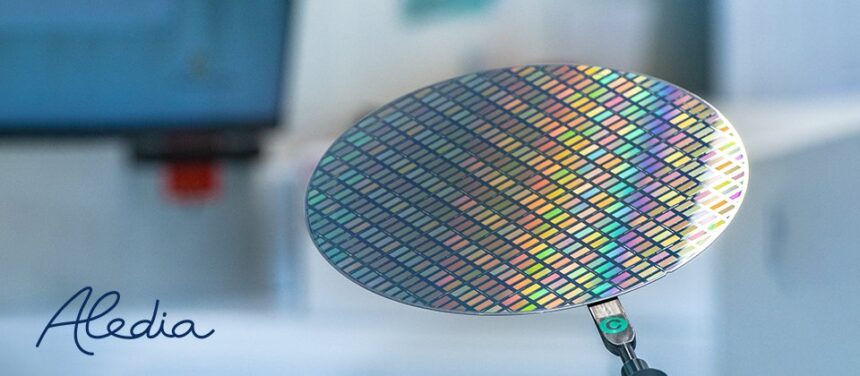
The secret sauce? A 3D gallium-nitride nanowire architecture grown directly on silicon. Unlike traditional 2D LEDs, these tiny vertical structures boost brightness and energy efficiency while packing in more pixels per inch. The result is a micro-display that can cram red, green, and blue emitters onto a single substrate—no messy color conversion layers needed. Aledia’s hybrid bonding technique then marries those LEDs to the driver electronics, creating what it claims is the smallest chip on the market. Thinner glasses, longer battery life, and sharper images are the payoff.
“Immersive tech like AR hasn’t hit its stride because screens are either chunky or compromised,” says CEO Pierre Laboisse, with the kind of confidence that only a decade-plus of R&D can buy. “By next CES, OLED and LCOS will be phased out in favor of our micro-LEDs.” Bold words, but Aledia has the production chops to back them up: a $200 million pilot line at its Champagnier factory in France’s “Display Valley,” capable of churning out nearly 5,000 wafers per week on 8-inch and 12-inch silicon. That’s a supply chain ready to scale as tech giants like Apple and Meta eye 2027 for commercial smart glasses.
For now, AR remains a promise tethered to prototypes. But Aledia’s bet is that the hardware bottleneck is about to break. If its nanowires deliver on efficiency and cost, the next generation of smart glasses won’t just be wearable—they’ll be forgettable, in the best possible way. And that’s exactly the moment immersive AI-powered vision stops being a demo and starts being a daily reality.