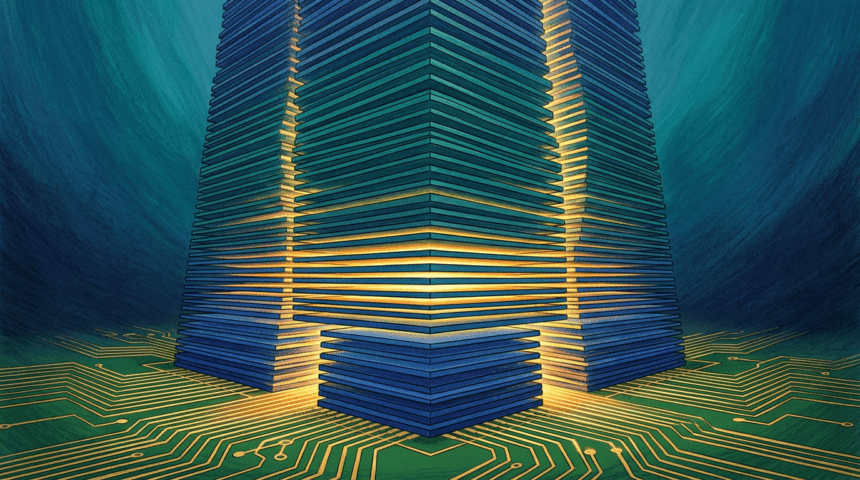
Kioxia and SanDisk unveiled what they call the industry’s highest bit density for QLC NAND, a 332-layer design that packs more than 37 Gb into every square millimeter. The 10th-generation BiCS flash delivers up to a 60 percent density improvement over the 8th generation, the companies said on August 4.
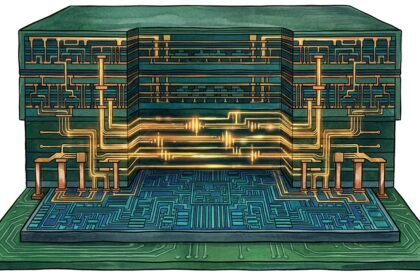
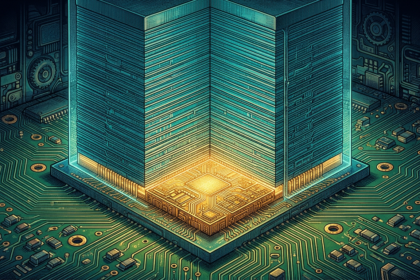
The new architecture pairs a 1Tb die with a 4.8 Gb/s interface speed that is 33 percent faster than BiCS8, using the Toggle DDR6.0 standard with a separate command address protocol. Kioxia says the layer count climbs by stacking three 100-plus-layer strings, with CMOS directly bonded to the array and an on-pitch select gate drain layout that shortens bit lines and trims capacitance.
QLC density is the lever flash makers are pulling as AI training and inference systems soak up storage: fewer dies per drive means lower cost per gigabyte and higher capacity racks. Kioxia and SanDisk frame the technology for AI and enterprise SSDs, where read-heavy workloads tolerate QLC’s slower write speeds.
The announcement comes as NAND prices keep climbing on AI-driven demand. The pair remain ahead on layer count, with Micron at 276 layers and SK Hynix pushing a 375-layer design of its own, and they say samples of the new generation are already shipping to customers.