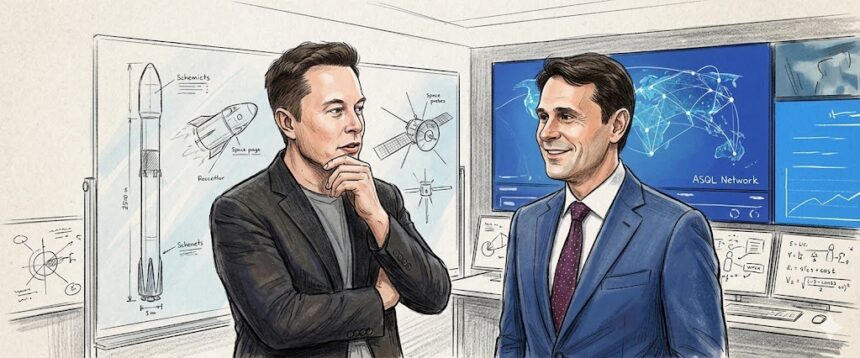
ASML CEO Christophe Fouquet confirmed direct talks with Elon Musk, stating Musk is “very serious” about the TeraFab megaproject—a $119 billion Texas semiconductor facility that could reshape global chip supply.
Project Scope and Partners
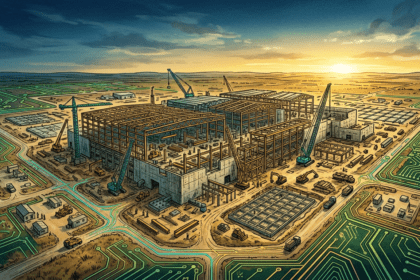
TeraFab, announced in March with an initial $20 billion investment, aims to produce logic chips, memory, and advanced packaging under one roof in Texas. Intel joined in April, committing its 14A process technology, while SpaceX has filed for a $55 billion facility in Grimes County, with potential expansion costs reaching $119 billion. Fouquet did not disclose specific details of his conversations with Musk but noted that projects like TeraFab and Starlink will strain equipment makers’ capacity for years.
Manufacturing Implications
ASML is the sole global supplier of EUV lithography systems, essential for any leading-edge chip production. TeraFab would need billions of dollars in ASML equipment, which is already under order from TSMC, Samsung, SK Hynix, Micron, and Intel. Fouquet expects the first logic chips using ASML’s High NA EUV systems—offering roughly 2.9 times the transistor density of current EUV—to arrive within months, with Intel as the earliest adopter.
ASML is also developing a second advanced packaging tool, expanding beyond lithography. Fouquet described the segment as “a small leg” now but said it will present new opportunities for the company.
Export Controls and Strategic Risks
On export controls, Fouquet pushed back against the proposed MATCH Act, which would ban sales of ASML’s DUV immersion tools to China. He noted these systems are based on technology from 2015, eight generations behind the leading edge. Further restrictions, he argued, would accelerate China’s domestic development of competing tools. “If I put you in a desert and tell you you’re not going to have access to food anymore, how long does it take you to make your own garden?” he told Reuters. “It’s a matter of survival.”
Forward-Looking Significance
TeraFab represents one of the most ambitious chipmaking ventures ever attempted, with direct implications for global capacity, equipment supply chains, and geopolitical dynamics. If realized, it would not only challenge established foundries but also test ASML’s ability to meet surging demand amid AI-driven shortages. The project’s success will depend on execution, regulatory outcomes, and the pace of China’s self-sufficiency efforts—factors that will define the semiconductor landscape for the next decade.