The power electronics market is about to get a serious jolt. Driven by the insatiable hunger of AI data centers and the relentless push for better EVs, IDTechEx predicts the sector will hit $65 billion by 2036, growing at a blistering 10% CAGR. The secret sauce? Wide-bandgap semiconductors—silicon carbide (SiC) and gallium nitride (GaN)—are finally stepping out of the lab and into the mainstream.
The EV Engine Room
For two decades, silicon IGBTs have been the workhorses of EV traction inverters. That era is ending. SiC MOSFETs are taking over, offering higher temperature tolerance, faster switching, and a smaller footprint. The payoff is tangible: better efficiency means longer range and less weight. IDTechEx expects SiC to dominate the inverter, onboard charger, and DC-DC converter markets by 2036.
GaN, meanwhile, is the wild card. It has huge potential, but automakers are playing it safe. The technology needs to prove it can survive the brutal conditions inside an EV—think vibration, heat, and 800V architectures—before it gets the green light for mass adoption.
Data Centers Go High Voltage
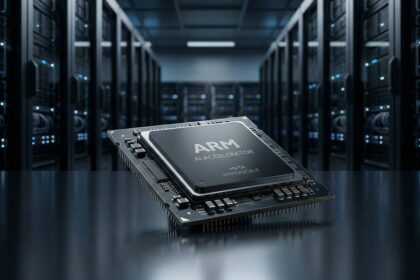
AI models are power hogs, and the data centers that train them are hitting a wall. The solution is a paradigm shift from AC to 800V DC (HVDC) power architecture. This simplifies the electronics, cuts conversion stages, and reduces failure points. It’s also the only way to realistically power the 1MW racks expected by decade’s end.
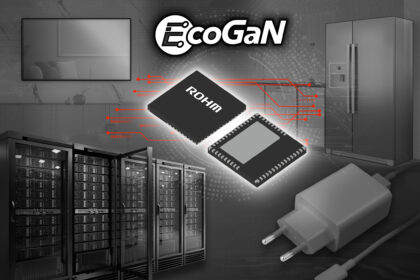
Wide-bandgap chips are the enablers here. SiC and GaN allow for smaller, more efficient power supply units and point-of-load converters. IDTechEx sees GaN making serious inroads in data centers over the next ten years, especially as the industry races to keep up with next-gen AI chips.
The Wind Energy Holdout
Not every sector is sprinting. Wind energy, with its brutal operating conditions and sky-high costs of failure, is sticking with proven silicon. But that’s changing, slowly. Hitachi Energy and other players are forging partnerships with SiC suppliers, signaling that the technology’s reliability has finally been proven in the field. The adoption will be steady, not explosive.
What’s clear is that power electronics innovation is no longer a one-size-fits-all game. The sterile, power-hungry AI data center and the salt-sprayed, wind-battered turbine have very different needs—but they’re now sharing a single technological backbone. The next decade will be about cross-pollination: what works in an EV inverter might just save a data center rack, and vice versa.