The chips inside the next generation of AI supercomputers are running so hot they’re melting conventional cooling solutions. That’s the problem T-Global Technology and France’s SiPearl are betting they can solve—with a two-year, government-backed project to engineer two-phase liquid cooling modules that can handle the insane heat flux of tomorrow’s HPC silicon.
The Heat is On
Forget fans and heat sinks. As AI workloads push chip-level power densities past 1,000 watts per square centimeter, traditional thermal management is hitting a hard physical ceiling. T-Global, a Taiwanese thermal materials specialist, is developing high-conductivity compounds and two-phase liquid cooling modules—where coolant actually boils and condenses in a sealed loop to wick away extreme heat. The project just got the green light under Taiwan’s Ministry of Economic Affairs’ “A+ Driving Industrial Innovation with AI” program, giving it both funding and official strategic backing.
Franco-Taiwanese Silicon Diplomacy
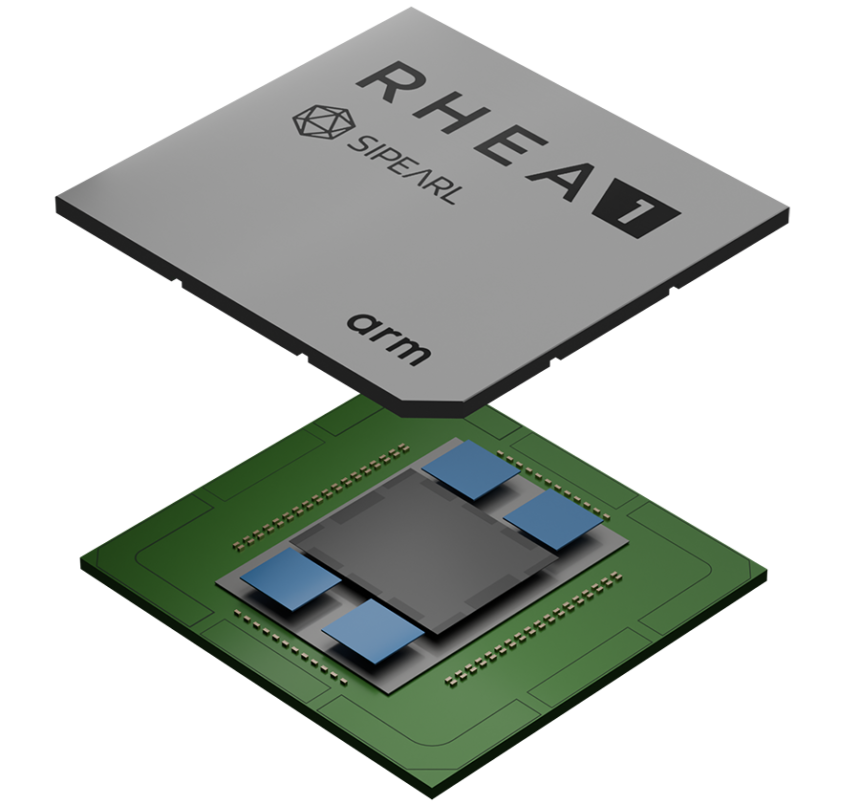
SiPearl, the European fabless chip designer behind the Rhea processor family for exascale supercomputers, brings the other half of the equation: real-world HPC chips to test these cooling prototypes on. CEO Philippe Notton frames the collaboration as a natural extension of SiPearl’s deep ties with Taiwan’s semiconductor ecosystem. The partnership isn’t just about materials science—it’s about proving that advanced thermal engineering can unlock higher clock speeds without torching the data center’s electricity bill.
What This Means
This isn’t a niche R&D exercise. As AI inference shifts from massive cloud clusters to edge devices, the heat problem scales down too. T-Global’s modular cooling approach could become the thermal backbone for everything from hyperscale server farms to on-premise AI boxes. If the physics cooperates, we’re looking at a future where chips run faster and cooler simultaneously—a rare win-win in an industry accustomed to trade-offs. The real question: can they scale it before the next generation of silicon melts our assumptions first?