SpaceX disclosed in its IPO filing that it cannot secure enough AI chips to scale its orbital AI operations, exposing a critical supply chain vulnerability.
Supply constraints and market reality
The company’s Form S-1 states that achieving “orbital AI at scale” requires access to AI hardware volumes “significantly more than are currently available.” SpaceX currently procures all GPUs on a purchase-order basis with no long-term contracts, leaving it exposed to fab capacity shortages, raw material constraints, and geopolitical disruptions.
Industry-wide demand for advanced processors far outstrips supply. TSMC, the sole manufacturer of leading-edge AI chips, cannot meet current orders. Nvidia has committed $145 billion in inventory and prepaids to secure supply—a strategy SpaceX cannot replicate without contractual agreements.
The TeraFab gambit
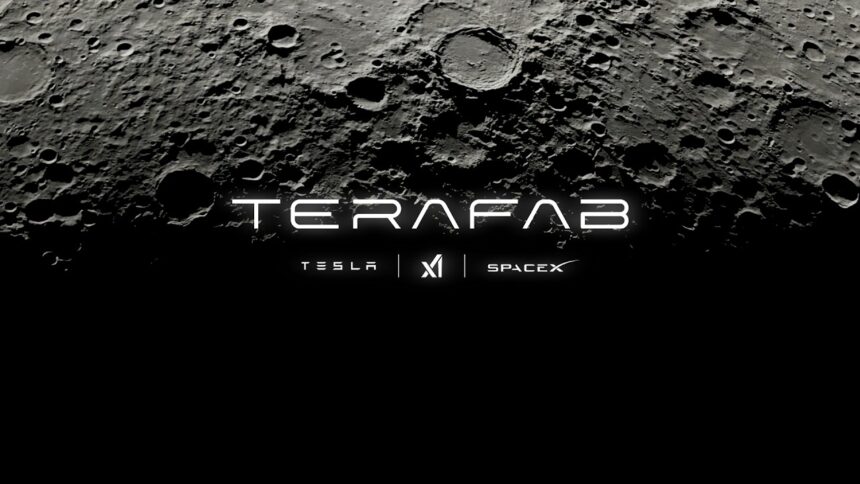
SpaceX, Tesla, and xAI plan to build TeraFab, a dedicated semiconductor facility on a SpaceX campus in Texas, using Intel’s 14A process technology. Elon Musk has pledged tens of billions in investment. The S-1 warns, however, that TeraFab “may not be successful” and that neither Tesla nor Intel is obligated to remain in the project.
Even if TeraFab succeeds, SpaceX expects to continue sourcing most compute hardware from third parties. The filing concedes there is “no assurance” the project will meet its objectives within expected timeframes—or at all.
Partnership fragility
The S-1 explicitly notes that Tesla and Intel can exit the TeraFab framework agreement at any time, potentially leaving the project without a lead customer or process technology partner. This lack of binding commitments amplifies execution risk for a facility that is central to SpaceX’s long-term AI strategy.
Forward outlook
SpaceX’s disclosure is a sobering acknowledgment that even the most ambitious private space enterprise cannot bypass the global chip shortage. While TeraFab represents a bold attempt at vertical integration, its success is far from guaranteed. Investors should weigh this supply-chain exposure against the company’s orbital AI roadmap—a dependency that may define SpaceX’s competitive trajectory for years to come.