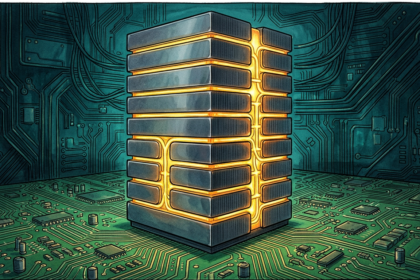
Configurable I/O is replacing fixed-function architectures in industrial control, enabling software-defined channel assignment that reduces SKU complexity, improves thermal efficiency, and increases system uptime.
The limitations of fixed-function i/o
Traditional industrial I/O modules rely on fixed-function designs, where each channel is hardwired for a specific signal type—analog, digital, or serial. This approach works in stable environments but creates significant inefficiencies. Manufacturers must stock multiple SKUs to cover varied signal requirements, leading to underutilized channels and costly late-stage redesigns when application needs change.
How configurable i/o works
Configurable I/O modules use software-defined channel assignment, allowing a single module to support multiple signal types dynamically. Engineers can reconfigure channels in the field or during design without hardware swaps. This flexibility reduces inventory complexity and accelerates time-to-market, as one module can serve roles that previously required three or four distinct units.
Thermal and uptime advantages
Intelligent I/O architectures improve thermal performance by activating only the circuitry needed for each configured channel, reducing overall power dissipation. This localized thermal management extends component lifespan and lowers cooling requirements. Additionally, software-defined redundancy and self-diagnostics enable predictive maintenance, catching channel failures before they cause system downtime. The result is higher mean time between failures (MTBF) and reduced operational interruptions.
Edge autonomy and real-time control
Configurable I/O pushes decision-making to the edge, processing sensor data locally rather than relying on a central controller. This reduces latency for time-critical operations like motor control or safety interlocks. The modules can autonomously adjust channel parameters—such as gain, filtering, or excitation current—based on real-time conditions, further enhancing system responsiveness without host intervention.
Conclusion
The shift to intelligent, configurable I/O marks a fundamental change in industrial control design. By combining software-defined flexibility with thermal efficiency and edge autonomy, these systems address the core pain points of SKU proliferation, heat management, and unplanned downtime. As Industry 4.0 demands greater adaptability and reliability, configurable I/O will become a standard building block for next-generation factory automation.