Taiwan’s answer to Chinese export controls is being drawn on a whiteboard in Hsinchu, not in a cleanroom.
The Industrial Technology Research Institute plans a rare-earth demonstration plant sized at 500 metric tons a year, enough for half of national demand by the end of 2030, according to president Chang Pei-zen. Construction is targeted for completion by the end of 2028, with process refinement after that.
ITRI already runs an experimental separation line, but it turns out roughly five tonnes annually. The proposal is a hundredfold scale-up of equipment that is notoriously hard to operate.
The hard part is separation, not geology
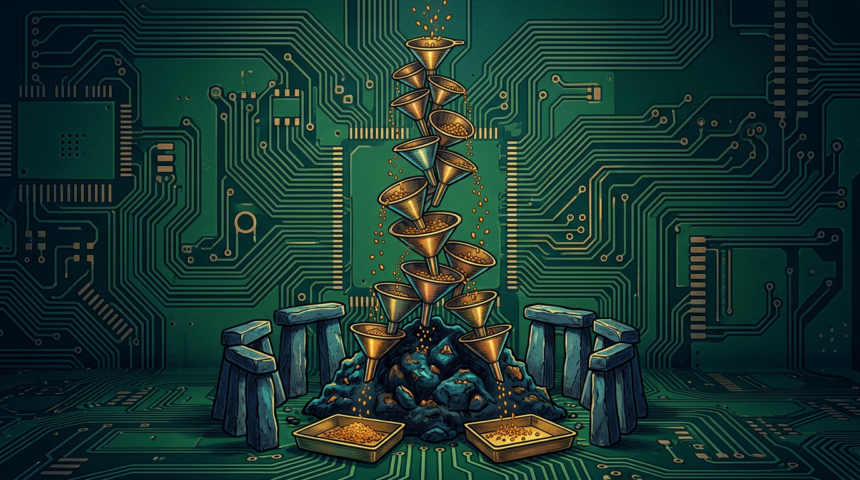
Rare earths arrive as a mixed ore, and the elements behave so similarly that pulling them apart can take hundreds or thousands of sequential stages. ITRI’s Hsinchu site separates and converts material into metals, while some equipment for high-end magnets sits at its Tainan campus.
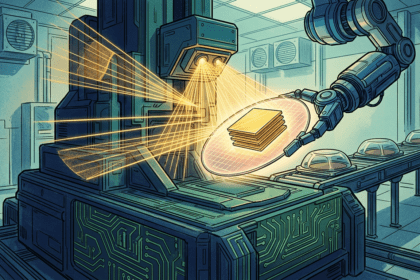
Magnets are where the semiconductor link becomes direct. Movement stages inside lithography and inspection tools rely on motors built around them, so a magnet shortage reaches a fab even though no chip contains rare earths.
Nobody has agreed to pay for it
The plant would sit in an industrial park so it can later be handed to a private operator. Funding would have to be budgeted by the National Science and Technology Council, and commercial arrangements, including possible government price guarantees for investors, remain under discussion.
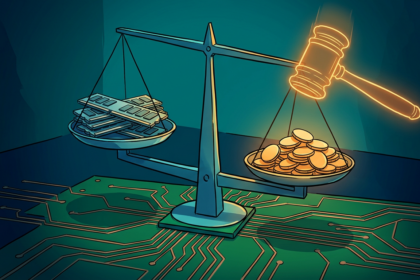
That is the whole problem in miniature. A plant is only worth building if a buyer commits to paying above the Chinese benchmark for a decade.
The timing is not accidental. Reuters reported on the same day that TSMC is exploring substitutes for rare-earth components in its fab equipment.