
AI server builders should brace for another year of climbing DRAM prices even as NAND flash heads the other way, with storage chips slipping into a looser market by late 2027.
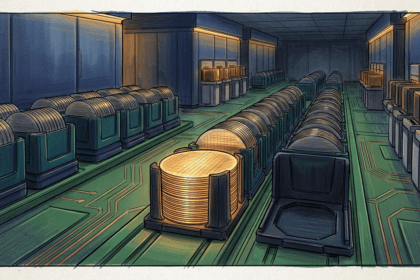
TrendForce’s latest forecast shows the two memory families breaking apart. Demand for AI servers keeps absorbing DRAM output, and new high-bandwidth memory lines consume wafers at a voracious rate, leaving fewer wafers for commodity DRAM. The research firm’s model puts 2026 DRAM output about 1% to 2% below what the market needs, and the shortfall is expected to grow next year despite the expansion plans suppliers have announced.
The math behind the shortage is unforgiving. Producing HBM is extremely wafer-hungry, so extra wafer starts yield little extra bit supply. Capacity that suppliers have booked for 2027 takes time to install and qualify, so meaningful output shows up late in the year, with big volume landing in 2028.
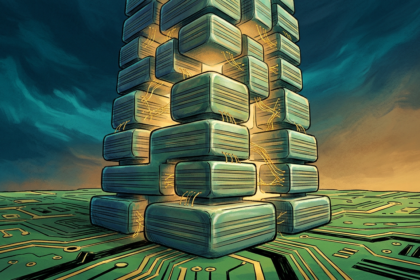
Every AI server carries more memory than ever. SOCAMM modules and taller HBM stacks push memory content per machine higher, and server shipments are expected to grow faster than the 17% pace of 2026. Add next-gen Intel and AMD CPU platforms plus agentic AI workloads, and DRAM demand has room to keep outpacing supply.
NAND is the counterweight. Higher-layer products and fresh fab ramps should expand bit supply sharply in 2027, flipping the market from tight to balanced. Enterprise SSDs, led by QLC, absorb most of the growth, but weak phone and laptop demand keeps downward pressure on prices.
The wildcard is cloud provider spending. Hyperscaler capex sits at record levels, with some names reporting negative free cash flow. If memory prices stay high through next year, chips claim a bigger share of infrastructure budgets, and that could eventually slow the very demand driving the shortage.