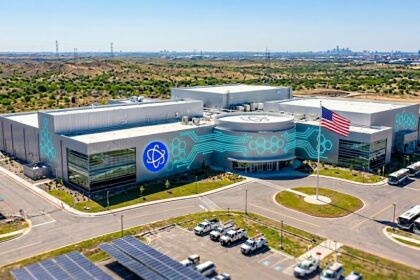

Quantum computing’s hardware race is broadening beyond the superconducting approach IBM has championed, and the company just closed a deal that adds a second technology lane. IBM has completed its purchase of HRL Laboratories, the research arm that Boeing and General Motors jointly owned.
What IBM gains is expertise in silicon-spin qubits, a different flavor of quantum bit that the company sees complementing its existing line of work. HRL also brings capabilities in quantum sensing, materials science, cryogenics and the control electronics that sit around the qubits themselves. Financial terms were not made public.
The acquisition gives IBM a multi-technology strategy instead of a single-architecture bet, and the company frames the two qubit approaches as pieces of one broader hardware stack. Fault tolerance is the near-term prize, and the roadmap already has names and dates attached.
IBM also expects HRL to slot into Anderon, its dedicated quantum wafer fab, where more repeatable builds and faster iteration should follow.
A machine called Starling goes into service by 2029, and its follow-on, Blue Jay, is due in the mid-2030s. The design target is 100 million operations per run. The company expects HRL’s fabrication and packaging experience to matter more as quantum machines grow.