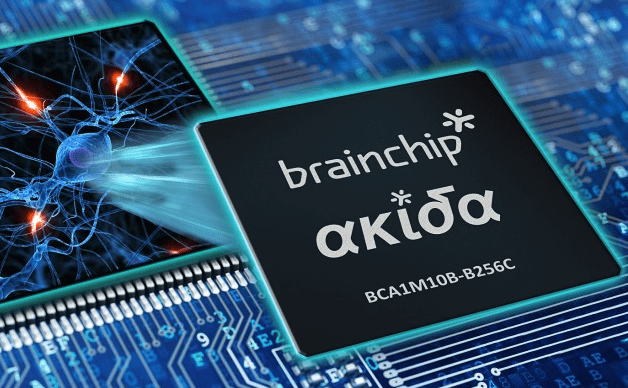
BrainChip has expanded its software partner ecosystem for the Akida AKD1500 neuromorphic processor, adding MulticoreWare, P-Product, and BeEmotion.ai as development collaborators. This move is intended to accelerate the availability of optimized machine learning models for the ultra-low-power chip, addressing a critical barrier to enterprise adoption of neuromorphic AI at the edge.
Strategic Partner Roles
Each partner brings distinct technical capabilities to the Akida ecosystem. MulticoreWare is developing edge-optimized models that leverage BrainChip’s architecture for efficient execution across CPUs, GPUs, DSPs, and AI accelerators. P-Product is focusing on porting custom AI and ML models to Akida platforms within application processors and microcontroller-based products, emphasizing model translation across diverse software environments. BeEmotion.ai will combine multiple models into integrated use cases, exploiting the AKD1500’s low-power architecture for sophisticated edge AI workloads.
Technical and Market Implications
The AKD1500’s neuromorphic design processes data in an event-driven manner, enabling significant power savings compared to conventional von Neumann architectures. By building a library of “Akida-ready” models, BrainChip reduces integration complexity for system-on-chip designers and OEMs targeting battery-powered or thermally constrained devices. The partnerships also include joint industry events and technical collateral—such as webinars and podcasts—to support developer education and go-to-market execution.
Forward-Looking Significance
This ecosystem expansion signals a maturation of neuromorphic computing from research novelty to deployable enterprise technology. As edge AI demand grows across industrial IoT, automotive, and smart sensing applications, the availability of validated software stacks will be a decisive factor in platform adoption. BrainChip’s ability to attract specialized software partners suggests growing confidence in the commercial viability of its architecture, though widespread deployment will depend on continued model optimization and end-user validation in real-world environments.