A startup working on molecular data storage says it has broken the throughput barrier that kept DNA inside the laboratory.
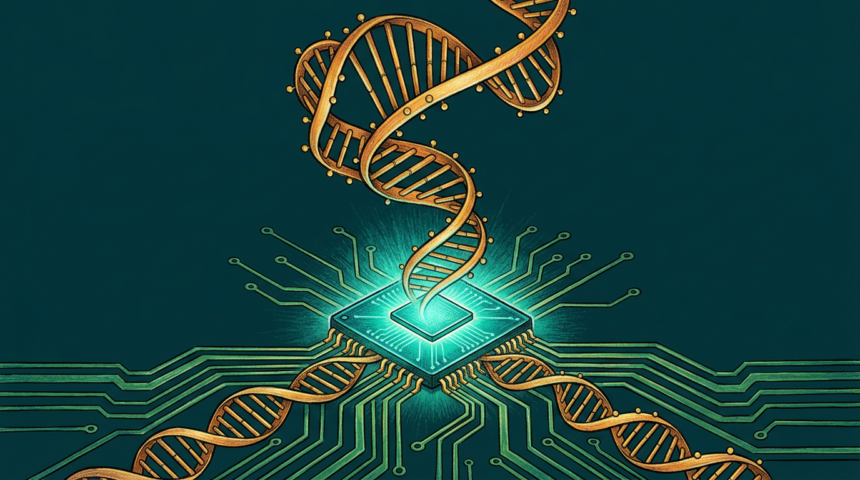
AtlasBase’s Thalia is a semiconductor device carrying 5.6 billion sites where electro-chemical synthesis takes place. The company reckons that density is 700 times what earlier DNA synthesis chips could manage.
The practical claim is about time. AtlasBase says one day of output from the chip now equals a full year of production for the entire synthetic DNA sector, a shift that turns the technology from a demonstration into something an enterprise could buy.
Manufacturing method is the enabler. Thalia is made with standard CMOS processes, so AtlasBase can scale on conventional fab economics rather than specialised biochemistry tooling.
Because data is written and processed inside the same synthetic material, the company argues the substrate suits massively parallel computation as well as cold archiving. It describes DNA as an extra layer beside silicon rather than a substitute for it.
Chief executive Jeff Treuhaft cast the material as nature’s own data platform, now put to work at a scale that was not previously possible. Digital preservation, enterprise archiving and optimization problems are the first targets.