Taiwan’s export controls have been administrative. Taipei intends to make them criminal.
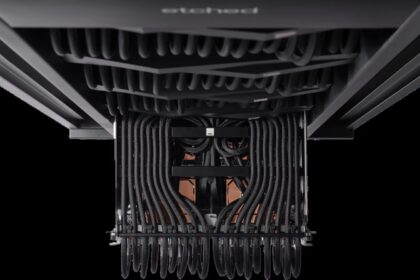
Economy Minister Kung Ming-hsin told Bloomberg that the government will tighten rules on AI servers and advanced semiconductors bound for Chinese buyers, with unauthorised shipments prosecuted rather than simply refused. Until now the regime leaned on a blacklist: Huawei and SMIC have sat on the strategic high-tech list since mid 2025, and Taiwanese suppliers need a permit to serve them, while other Chinese customers could usually be supplied as long as American rules did not reach the products.
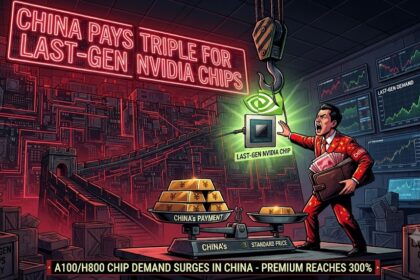
The gap has been visible for a year. Nvidia accelerators keep reaching mainland buyers through smuggling networks routed around Southeast Asia. Taiwan made its first smuggling arrests in May, and in July prosecutors charged Super Micro managers, though only with forgery, because the statute book had no charge aimed at the trade itself.
The timing is not accidental. Under a January trade agreement Washington cut tariffs on most Taiwanese goods from 20 percent to 15 percent, and island companies pledged $250B of investment in US semiconductors, energy and AI.
Taipei is also profiting from the boom it is policing. Semiconductor exports hit a record $87.2B in September, up 60.9 percent.
Beijing has floated its own draft restricting exports of 40 technologies, AI and chips among them.