Tesla is asking its own chip team to do more with less memory, and the reason sits on a factory floor rather than a balance sheet.
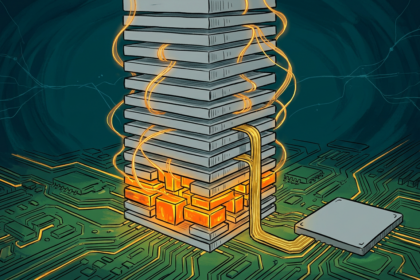
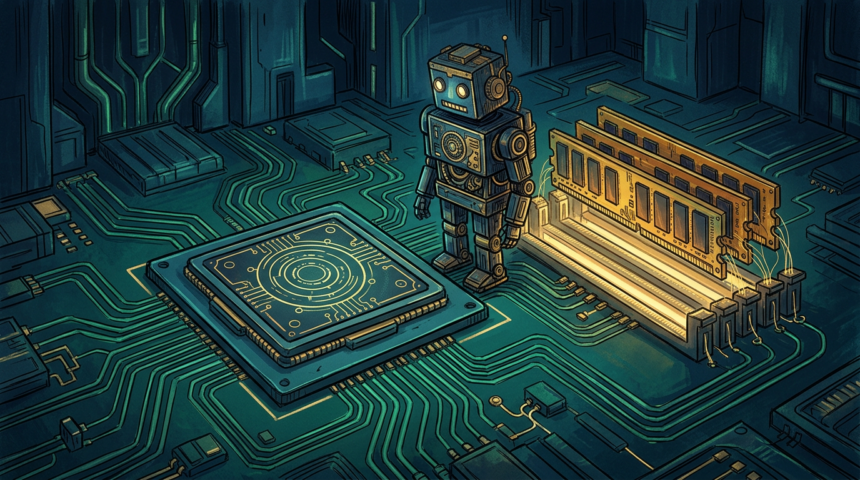
Two processors due soon will carry markedly smaller buffers than the company first mapped out. Elon Musk said the cuts were unavoidable if Tesla wanted enough parts to build Optimus robots in volume, and he argued the change barely matters because the machines care about how fast data flows rather than how much can sit in reserve. Cost falls alongside the capacity.
DRAM has been the industry’s tightest corner for months. AI data centers keep absorbing output, and every chipmaker hunting the same wafers ends up paying more or getting less.
Prototypes of the first chip already run on 2nm lines at Samsung’s Taylor, Texas campus. The follow-on designs stay with the same two foundries and devote a large share of their area to SRAM built directly into the processor, which Musk has said moves data far faster than external memory for cached work.
Where that demand ultimately lands is an open question. Memory makers now talk about physical AI as a multi-year driver, with humanoid platforms and their onboard storage drawing fresh attention from the companies that build the chips.